The musical Hamilton put me on an American history kick. I’ve read the Ron Chernow biography of Alexander Hamilton and have biographies of George Washington and John Adams on my reading list right now. But have you ever heard of the Coercive Acts?
 The Coercive Acts – also known as the Intolerable Acts – were passed by the British parliament 244 years ago this week in response to the Boston Tea Party. This response consisted of 4 major acts:
- The Boston Port Act which closed down the port of Boston until such time as order was restored and the colonists repaid the Crown for damages of the 342 chests of tea destroyed in the Boston Tea Party.
- The Massachusetts Government Act took away the Massachusetts colony charter and restricted town meetings to one per year. It also turned the Governor’s Council and almost all government roles into royal appointments rather than elected positions.
- The Administration of Justice Act making British officials immune to any criminal prosecution in the Massachusetts colony. This was accomplished by giving the Governor the ability to move any trial out of the colony – even back to England. And in those days, long distance travel was an prohibitively expensive affair when you factored in time away from fields and businesses.
- The Quartering Act requiring the housing or quartering of British troops on demand – even in colonists’ private homes.
The British Parliament thought that these measures would isolate the radical Sons of Liberty but boy were they wrong. The harshness of the measures brought actually brought the colonies together and instigated the committees of correspondence that lead to our First Continental Congress and then the Revolution.
Want to know more? Check out the Wikipedia article on the Intolerable Acts.
 cording to Livestrong.com, a vibrating plate makes you constantly tense/relax your muscles to maintain your balance so you get greater muscle activation with every movement you make. So you can get results with a shorter workout. Sign me up right?
 The oldest college in the United States is actually Harvard. Founded in 1636 by the “Great and General Court of the Governor and Company of the Massachusetts Bay in New England” and chartered in 1650, the college didn’t gain the name Harvard until 1639. The name Harvard came from the minister John Harvard who bequeathed his own library (all 400 books) to the institution. In recognition of John Harvard’s bequest, the Great and General Court ordered “that the colledge agreed upon formerly to bee built at Cambridg shalbee called Harvard Colledge.”
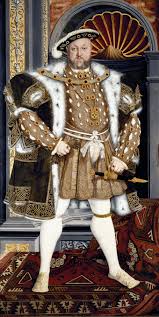 Let’s throw WAY back this Thursday! One of my favorite historical eras is the Tudor era. You don’t find people much more interesting than Henry VIII. Charismatic and flawed, Henry ruled England from 1509 to 1547.
 I’m a list maker. A firm believer in keeping a to do list so I can organize my activities and not let anything slip through the cracks. Tuesdays will be all about my to-do’s.

 Learn Or Do