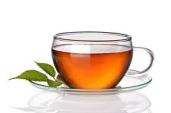
History of Tea

maxresdefault

Let’s keep tea week rolling and throw back to a complete history of tea this Thursday.  I don’t have the kind of time it takes to write about the long and storied history of tea which ranges from Asia and India to the tea traditions in the United Kingdom to the tea you can buy at the local coffee shop today – but Peet’s Coffee does!  So check out this link to their version of the history of tea:

https://www.peets.com/learn/history-of-tea

Don’t want a commercialized account of tea from a coffee company?  Check out this link to the History of Tea as told by the lovely people at Wikipedia.

Make your self a cup of tea and enjoy!


The Health Benefits of Tea

the-health-benefits-of-drinking-tea64FE1DF31762I seem to have a theme week going so let’s talk about the health benefits of drinking tea.  Really tea is good for you – at least it is until you load it up with sugar or artificial sweeteners.  You don’t want to count on McDonald’s Sweet Tea to help you avoid diabetes!  And those bottled teas are loaded with sugar and flavoring so while you’ll get some benefits from bottled tea, it’ll be less than plain fresh brewed tea.

Here’s a few of the proven health benefits of drinking tea:

  • Tea is full of unique antioxidants called flavonoids. The most potent of these, known as ECGC, may help against free radicals that can contribute to cancer, heart disease, and clogged arteries.
  • Tea can boost exercise endurance. Scientists have found that the catechins (antioxidants) in green tea extract increase the body’s ability to burn fat as fuel, which accounts for improved muscle endurance.
  • Studies have linked drinking tea to a lower risk of Parkinson’s disease. When considered with other factors like smoking, physical activity, age and body mass index, regular tea drinking was associated with a lowered risk of Parkinson’s disease in both men and women.
  • And despite the caffeine content, tea is good for hydrating your body.  So if you don’t like drinking your 8 glasses of water a day, chug some tea!
  • Tea can help the body recover from radiation. One study found that tea helped protect against cellular degeneration upon exposure to radiation, while another found that tea can help skin bounce back post-exposure.  I’ve even used wet tea bags as a balm for sunburn – it really works!

Want more info about how good tea can be for you?  Check out these articles:

So get healthy – go make yourself a cup of tea!

Tea – Part 2

tea 2Yesterday I wrote about making a cup of tea and at the end of the post I referred to one of my favorite back tea flavors and one of my favorite green teas.  Did you know there are actually at least 6 different kinds of tea?

Most of the tea you’ve probably drank is black tea.  It’s the most common tea in North America and Europe.  It’s produced when withered tea leaves are rolled and allowed to oxidize, darkening the leaves and developing the flavor.  Black tea has caffeine – but only about half of the amount in a similarly sized cup of coffee.  Want a trendy cup of black tea?  Try a chai tea which is a mix of black tea and strong spices like cinnamon, cardamom, cloves, ginger or pepper corns.

You’ve probably also either heard of or drank green tea – if you’ve been out for sushi or other Asian foods, green tea is commonly offered to you.  In the U.S., green tea has gotten more popular thanks to its health benefits.  For green tea, the tea leaves are heated or steamed right after harvest which stops the oxidation process and allows the tea to keep its green color.  This process also locks in naturally occurring antioxidants and amino acids that are good for us.  Green tea also has caffeine but only about one quarter of the amount of a similarly sized cup of coffee.

Oolong tea is most popular in Taiwan and China.  The process to produce Oolong is similar to black tea – the leaves are withered but then briefly oxidized in direct sunlight until the leaves give off the distinctive fragrance.  Oolong’s caffeine content is somewhere between black tea and green tea.

White tea tends to be a high end tea.  It is the least processed of the tea varieties and comes only from the spring harvest of tea in the Fujian Province of China.  The process for creating white tea takes the tea buds and carefully dries them rather than oxidizing or rolling them.  The result is a delicate flavor with mellow, sweet notes.  True white tea has even less caffeine than green tea.

The most trendy tea right now is Matcha tea.  Unlike the other types of tea, matcha is made by grinding Japanese green tea leaves into a fine powder.  Then rather than steeping, you whisk the powder into your hot water to make a frothy, bright green cup of tea.  I’m not a fan of this type of tea myself but maybe it’s because I don’t have the knack for the whisk?

Last – but certainly not least – are herbal teas.  Strictly speaking, herbal teas are not really tea because there are no tea leaves involved.  Instead herbal teas are steeped brews of different combinations of fruits and herbs – think citrus, chamomile or hibiscus.  Most herbal teas are very aromatic and caffeine free.

So now you have an idea of all the different kinds of teas – have fun and explore them!  Need more help?  Try a loose leaf tea store like Adagio Teas or Argo Tea.  Don’t have a tea store near you?  Spend some time in the tea section at your local grocery – many of them carry more types of tea than you’ll think!  Enjoy!
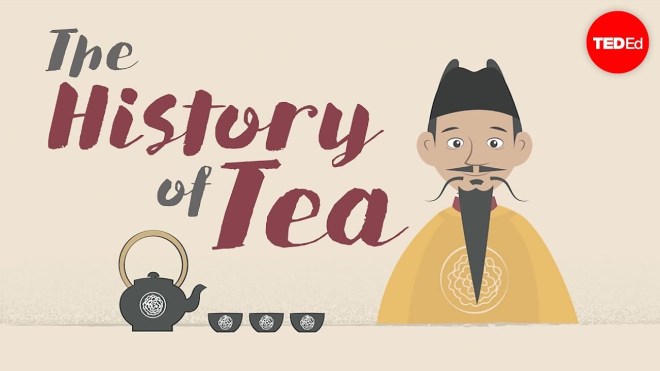
Tea

teaWith the weather getting colder, the first thing I do most days when I get to work is make a cup of tea.  I’m not the biggest coffee fan in the world, but I love my tea.   I’m particular about how I steep it.  Call me a snob.  I took a trip to London in the early 1990’s and was schooled by a waiter at the hotel we stayed in on how to brew a cup of tea so that I didn’t look like an American.  I was amazed at how much better the tea tasted – so I get a little crazy about making my tea now.
First, you need to use fresh cold water to start.  I know – seems crazy, but it make a huge difference.  I have an electric kettle but a tea kettle on your stovetop works just as well.  Then, bring the water to a full rolling boil – that’s why I love the electric kettle; it gets the water to that full rolling boil pretty fast.

The next step is steeping the tea – but oddly, I open the top of the kettle and wait until the water has cooled just enough to stop showing bubbles before I pour the water in my cup.  If the water is too hot, it scorches the tea leaves (especially green or white teas).  So pour the water and then put the tea bag or loose tea holder down in the water.

While the tea is steeping – DON’T TOUCH THE TEA!  That’s the key according to my helpful London waiter friend.  Most Americans “bounce” the tea bag up and down in the water which really just allows more sediment to come out of the bag and into your tea.  You get much better flavor from your tea if you just let it sit.  The Republic of Tea recommends these steeping times – and remember, if you want strong tea it’s better to add more tea (or less water) than more steeping time:

Screen Shot 2018-10-14 at 9.10.07 PM

I generally take my tea without sweetener – and I can’t even wrap my head around why anyone puts milk or cream in their tea.  In the winter or when I feel a cold coming on, I think there are very few things more comforting than a cup of hot tea with honey and lemon.  You decide what you like to add and run with it.

So now you’re all set to brew yourself a great cup of tea – may I suggest Bigelow’s Constant Comment black tea or if you like green tea, how about a cup of Tazo’s Zen tea.  Enjoy!


The Chicago Fire

No – we’re not talking about the Chicago pro soccer team or the NBC TV Show.  This week is the 147th anniversary of the great Chicago fire.  According to legend, Mrs. O’Leary’s cow knocked over a lantern and started the blaze that killed over 200 people, leveled over 17,000 buildings and left over 100,000 people homeless.  Over 3 square miles of Chicago was devastated whether it was a cow or human that started the blaze at an estimated cost of $200 million 1871 dollars.

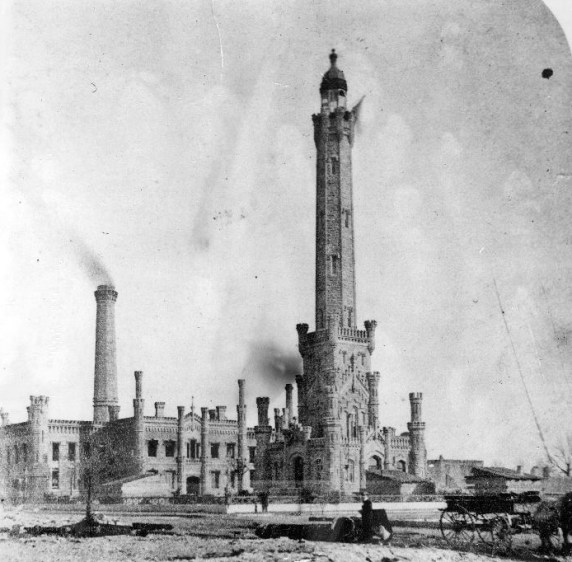
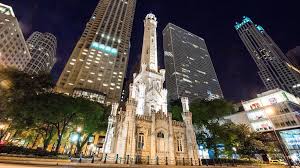
Fortunately, most of the city’s infrastructure was untouched – in fact, the Water Tower on Michigan Avenue is one of the structures the fire left standing.   Reconstruction began quickly and here’s a fun Chicago fire fact – much of the rubble of the fire was pushed into the lake creating the land that is now known as Grant Park or Chicago’s Front Yard.  22 years after the fire in 1893, the city was chosen to host the World’s Columbian Exhibition – a tourist attraction that brought over 27 million people to visit Chicago.  Second fun fact of this post?  27 million people was HALF of the US population at the time!

At the time of the fire, Chicago’s population was around 324,000, within 10 years of the fire it had grown to 500,000 – and within 20 years of the fire, the population was up to 1.5 million.  The city was a magnet for transportation, industry and modern thinking as many of the countries first skyscrapers rose here.

So Chicago is a perfect case study proving that amazing things can come in the aftermath of great tragedy.  Want to know more about the Great Chicago Fire?  Check out these articles:


watertower1944
The Chicago Water Tower after the fire.
water tower today
The Chicago Water Tower today.

Bodyweight Workouts

body weight

If you aren’t a gym rat, chances are gym equipment, weights, kettlebells and all those classes can be pretty intimidating.  So if you want to start working out, but don’t want to spend a lot of money on a gym membership and equipment, bodyweight routines can be a perfect way to get moving.

Bodyweight exercises are just what they sound like – and can be modified for practically anybody.  Think squats, lunges, sit-ups, etc.  The important thing is to get started.  Do 10 repetitions – and if you can’t do that, do 5.  You’ll work your way up from there!  One of my favorite ways to do body weight exercises is to participate in 30 day challenges where you work on your number of repetitions and variations of the exercise over a month.  Keeps it interesting – and allows your body to adjust and get stronger without a great risk of sore muscles or injury.

Want to know more?  Check out these links:

Now get moving!  You’ll feel better I promise!


Worry Journal

journalOver the weekend, I read an article promoting keeping a journal to write your worries down in.  According to the article, you can alleviate stress from worries by writing them down each evening – or whenever they get overwhelming.

When I was a teenager, I kept a journal.  It was a stressful time for me – think about it, I was a teenager for one thing, my mom passed away when I was 17 so I had more responsibilities than many of my friends, college was looming and hormones were raging.  My journal was REALLY helpful then – although I laugh when I read the entries now.  Things that were SO major seem so trivial now.  Which is the point I suppose.

I don’t keep a journal anymore although I suppose this blog is a form of a journal – but to me journaling is working out things you don’t want to share with other people.  So on that measure, this blog isn’t quite the same since I want you all to read it!

But if you’re under stress and worrying a lot, it may be worth trying journalling.  Want to read the article?  Check it out HERE.

Columbus Day

Happy Columbus Day everyone!  Today we celebrate Christopher Columbus’ landing in North America.  Technically, the anniversary date is October 12th – but you know how we like to move holidays to Monday so Federal workers have a 3 day holiday.

Christopher Columbus.jpgThink back to your grammar school history lessons and you’ll remember that Columbus sailed the ocean blue in 1492 – so this year we celebrate the 526th anniversary of his landfall in San Salvador.  Columbus Day isn’t as big a deal here in Chicago as it was when I lived in New York City – but did you know it is also celebrated all over Latin America as well as in Italy and Spain?   I’m guessing the large numbers of Italians in NYC have something to do with the popularity of the holiday there.

Celebrating Columbus dates back as far as 1792 in the U.S. and was first celebrated nationally on the 400th anniversary as proclaimed by President Benjamin Harrison.  President Franklin Roosevelt and Congress officially named Columbus day as a Federal holiday in 1934 as lobbied for by the Knights of Columbus and prominent New York City Italian leader Generoso Pope.

Columbus Day is not without controversy – anti-immigration groups in the 1800s including the Ku Klux Klan opposed celebrating a holiday associated with Catholics and Italians.  More recently, groups opposing what European settlers did to indigenous people have also opposed the holiday leading some states to celebrate Indigenous Peoples Day, Native Americans Day or Discoverer’s Day in its stead.

Want to know more about Columbus and Columbus Day?  Check out these links:

I’m not sure how to celebrate Columbus Day – as far as I know, there isn’t a traditional meal or Hallmark card but have a happy day anyway!